Rarer Than Gold, Priced Below It: The Quiet Case for Platinum in 2025

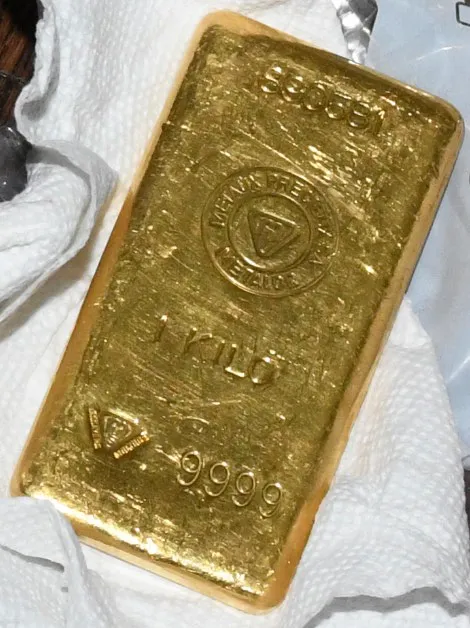
Photo: Julius Jääskeläinen , CC BY 2.0, via Wikimedia Commons
There is a particular satisfaction in owning something scarce that the crowd has overlooked. For much of the twentieth century, platinum commanded a premium over gold — a fact reflected in everything from the metal's name (the Spanish conquistadors called it platina, 'little silver', largely out of ignorance) to its use in the most exclusive jewellery houses of Paris and London. Today, the relationship has inverted. An ounce of platinum can be bought for considerably less than an ounce of gold, and has been for the better part of a decade.
For the discerning investor, that inversion deserves attention rather than dismissal.
Scarcity You Can Measure
The numbers are stark. Annual mine production of platinum sits at roughly 150–170 tonnes globally, against well over 3,000 tonnes for gold. All the platinum ever mined would fit comfortably within a large sitting room; the same cannot be said of gold, much of which sits in vaults precisely because it has nowhere more useful to be.
Platinum's rarity is compounded by its concentration. The majority of supply emerges from South Africa's Bushveld Complex, with meaningful contributions from Russia and Zimbabwe. Mining is deep, expensive and vulnerable to disruption — electricity shortfalls in South Africa alone have repeatedly trimmed output. This is a supply side that cannot simply respond to a price signal by drilling faster.
What the Ratio Is Telling Us
The gold-to-platinum ratio — how many ounces of platinum one ounce of gold buys — has spent recent years above 2.5, historically extreme territory. For most of the period between 1980 and 2015, the ratio hovered near or below parity, meaning platinum traded at or above the gold price.
Ratios are not crystal balls. But they are a measure of sentiment, and the current reading suggests the market regards platinum as an industrial curiosity — a metal for catalytic converters and little else — while assigning gold its premium as a monetary hedge. Several factors challenge that framing:
- Demand is broader than diesel. Automotive use dominates, yes, but platinum also finds roles in hydrogen fuel cells, glass manufacturing, petrochemicals and electronics.
- Substitution works both ways. With palladium having traded above platinum for years, automakers have been substituting back towards platinum in gasoline engines — a slow but persistent demand tailwind.
- Investment demand is stirring. Bar and coin purchases have risen meaningfully, and exchange-traded products saw inflows in 2024 that outpaced mine supply growth.
None of this guarantees a reversion to parity. But an asset trading at a historic discount to a scarcer-than-gold peer offers an asymmetric proposition that suits patient, contrarian capital.
How UK Investors Can Buy
British investors are unusually well served here, thanks to a quirk of tax law. Platinum coins and bars produced by HM Revenue & Customs-approved mints — including the Royal Mint's Britannia and Queen's Beasts platinum series — qualify as legal tender and are therefore exempt from Capital Gains Tax for UK residents. The same CGT exemption applies to gold Britannias and Sovereigns; platinum enjoys it on identical terms.
Practical routes include:
- Physical coins and bars, purchased through a reputable UK dealer, with either home storage (a good safe and appropriate insurance) or allocated vaulting. See our earlier guide to institutional-grade storage for the latter.
- Allocated accounts with dealers who store metal in your name, avoiding VAT handling and delivery friction.
- Exchange-traded products backed by physically held platinum, held within a Stocks & Shares ISA or SIPP for tax-efficient exposure — though these lack the CGT exemption of the coins themselves.
Note that platinum, unlike investment-grade gold, generally attracts VAT when purchased as bars or non-coin products — one more reason the legal-tender coin route appeals.
A Word on Proportion
We would be doing our clients a disservice if we presented platinum as a replacement for gold. Gold's liquidity, its millennia of monetary history and its central-bank bid make it the anchor of any precious metals allocation. Platinum is the satellite: a smaller position — perhaps one part in three or four of a metals sleeve — taken deliberately, by those content to be early.
There is, admittedly, a certain poetry in the proposition. The metal that lends its name to credit cards, jubilees and anniversaries — the shorthand for 'better than gold' — currently costs less than gold. Markets are not always wrong, but they are occasionally inattentive. For investors who prefer to think for themselves, inattention is where opportunity lives.
As always, this article is general information, not personal advice. Precious metals can be volatile, and suitability depends on your circumstances. But the platinum standard — the genuine article, not the metaphor — may be worth a closer look before the crowd arrives.