The Case for the Noble Metals: Rethinking Bullion in the Modern British Portfolio
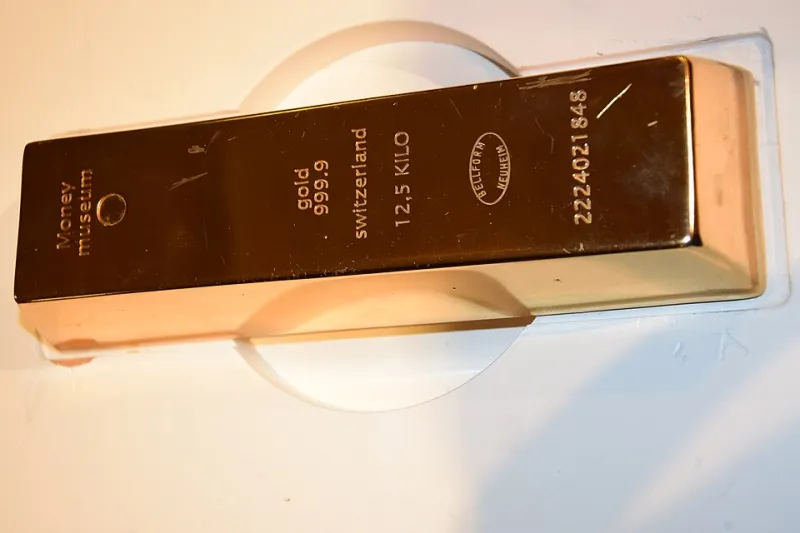
Photo: Ank Kumar, CC BY-SA 4.0, via Wikimedia Commons
There is a particular irony in the metals themselves. Gold, silver and platinum sit inert in vaults, pay no dividend, publish no annual report and make no promises. And yet across three millennia, they have retained purchasing power through every currency experiment humans have attempted — including several involving the pound sterling.
For the affluent British investor weighing allocations in 2025, the question is not whether bullion is fashionable. It is whether the specific risks facing sterling wealth — sticky inflation, elevated sovereign debt, geopolitical fragmentation — are the risks that precious metals are historically suited to hedge. Increasingly, the answer looks like yes, in measured doses.
The Competing Candidates
Gilts currently offer something they have not for years: meaningful real yields. For a cautious investor, a ladder of short-dated gilts is a defensible anchor. But gilt returns are ultimately a bet on the UK government's fiscal discipline — and with public debt above 95% of GDP, that bet carries more counterparty flavour than it once did.
Premium Bonds retain cultural affection and tax-free prize potential, yet the maximum £50,000 holding with prize rates drifting downward makes them, in expectation, a poor store of significant wealth.
Property remains the great British conviction asset, but illiquidity, stamp duty friction, and the slow erosion of landlord tax advantages have dulled its edge. Buy-to-let is a business, not a hedge.
Bullion, by contrast, is nobody's liability. It cannot be printed, frozen by a domestic court, or diluted by ministerial decision. Its cost is the opportunity cost of forgone yield — a price worth paying for insurance when the underlying risks are monetary rather than commercial.
The British Investor's Quiet Advantage: CGT-Free Coins
Here the UK tax system offers a genuine quirk worth exploiting. Gold Britannia coins and silver Britannias are legal tender — British currency — and are therefore exempt from Capital Gains Tax entirely. For a higher-rate taxpayer, that makes Britannias structurally superior to gold ETFs held outside tax wrappers, where gains above the annual exemption are taxed at up to 24%.
Sovereigns enjoy the same treatment. For larger allocations, bars typically carry lower premiums over spot, but surrender the CGT exemption — a trade-off worth modelling before purchase.
Storage and Practicalities
Physical metal demands physical answers. The realistic options are:
- Allocated vault storage with a reputable dealer, fully insured, typically costing 0.5–1% annually; the metal is yours, segregated and auditable.
- Home storage in a quality safe, which avoids fees but concentrates risk — insurers will have views, and so will you every time you travel.
- Unallocated accounts, cheaper but leaving you an unsecured creditor. For wealth-preservation purposes, this rather defeats the object.
Insist on allocated, segregated, audited storage with clear title documentation. Buy from established dealers at transparent premiums over the live spot price.
How Much Is Enough?
We would suggest a considered allocation of 5–10% of investable assets for most affluent portfolios — enough to meaningfully dampen portfolio volatility in a monetary crisis, not so much that long-term real returns are materially sacrificed. Silver, more volatile and industrially exposed, suits the upper end of that band as a satellite position. Platinum, trading at a historic discount to gold with supply concentrated in South Africa, is the contrarian's choice — appropriate in small measure for those who accept the risk.
Insurance, Not Investment
The disciplined framing matters: bullion is not an engine of returns but a hedge against the failure of everything else to behave. In a portfolio built around equities, gilts and property, a modest holding of the noble metals is the premium paid for sleeping reasonably well in a world that has grown fond of monetary experiments. For British wealth in 2025, that premium looks reasonably priced.