Behind the Vault Door: A Practical Guide to Storing Bullion Like an Institution
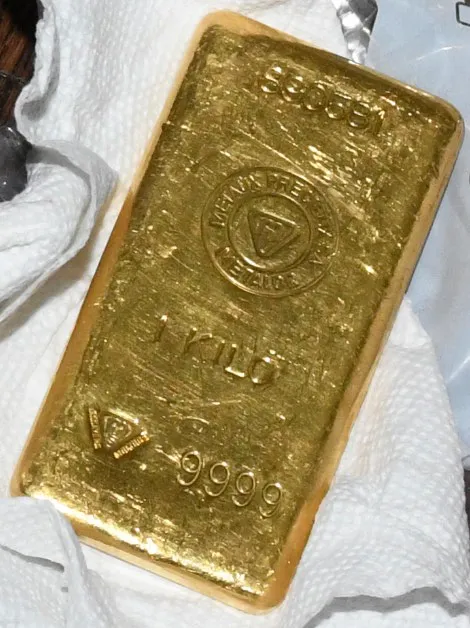
Photo: United States of America, Public domain, via Wikimedia Commons
Anyone can buy a gold bar. The question that separates the serious from the sentimental is a more mundane one: where does it actually sit? Having made the philosophical case for the noble metals elsewhere on these pages, we turn here to the unglamorous mechanics — custody, insurance and the quiet infrastructure that keeps a kilobar safe while its owner sleeps soundly in Surrey.
Allocated or Unallocated: The Distinction That Matters Most
The first fork in the road is legal rather than geographical. Unallocated accounts are, in substance, a claim on the dealer — a form of unsecured lending dressed in bullion's clothing. You own a promise, not metal, and should the vaulting firm fail, you join the general creditor queue.
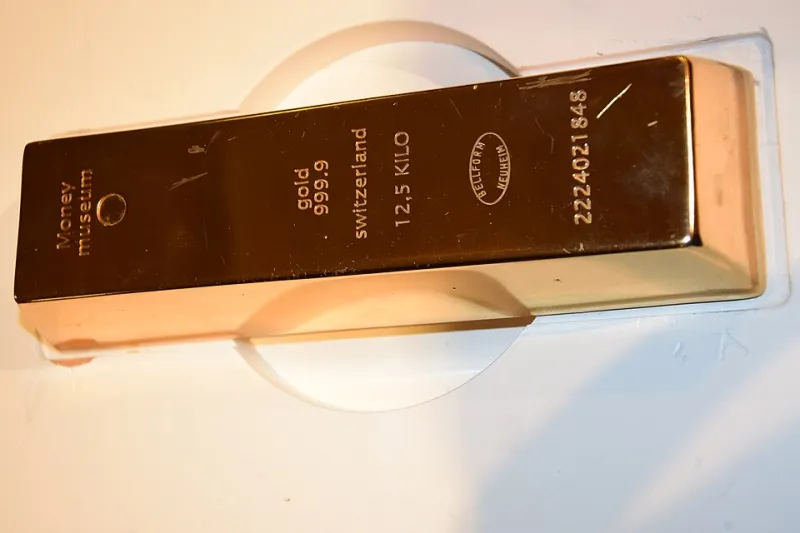
Allocated storage means specific, serialised bars or coins are held for you alone, segregated from the dealer's own stock. Title rests with you; the metal cannot be lent out or traded against. For any holding of meaningful size, allocated is the only defensible answer. Insist on written confirmation of bar lists, serial numbers and the custodian's legal structure before committing a penny.
Inside London's Vault Network
Britain enjoys a genuine advantage here: the City of London remains the deepest physical bullion market on earth, anchored around the vaults beneath the Bank of England and the commercial facilities operated by the London Bullion Market's clearing banks and security specialists.
Professional vaulting typically costs between 0.3% and 1% of value per annum depending on the provider and the size of the holding — a fee that usually includes fully insured, audited, segregated storage. For investors with six-figure bullion positions, this is rarely poor value when weighed against the alternatives. Many private vaults also offer direct access by appointment, allowing owners to inspect their metal personally — a ritual we would encourage at least annually.
The Home Safe Question
There is an undeniable psychological comfort in holding one's own metal, and for a modest allocation — coins and small bars, perhaps up to the low tens of thousands — home storage is a legitimate choice. Two cautions, however.
First, insurance. Standard household policies typically cover little or no bullion; dedicated cover through specialist insurers is essential and must be disclosed honestly, including details of the safe's rating and installation. Second, discretion. The greatest risk to home-stored gold is not burglary by professionals but casual disclosure — to a builder, a friend, a discussion forum. The old City maxim applies: the safest safe is the one nobody knows exists.
A sensible compromise, adopted by many of our readers, is a tiered approach: a working reserve in a high-quality domestic safe, and the balance in professional allocated vaulting.
Digital Gold and the Rise of the Fractional Bar
A newer entrant has begun reshaping the landscape: platforms offering fractional ownership of vaulted physical gold, sometimes with the ability to take delivery or even spend balances via linked cards. These services have genuine appeal for smaller investors and for drip-feeding regular contributions into metal.
The same due diligence applies, however, with interest. Verify that the metal is fully allocated and physically segregated, that the vault operator is independent of the platform, that audits are conducted by a recognised third party, and — critically — what happens in a wind-up. Digital convenience is no substitute for legal clarity.
The First-Class Standard
Whatever the chosen route, the benchmark is consistent: confirmed title, independent verification, appropriate insurance and a documented exit plan. Gold's virtue across centuries has been its indifference to the failures of counterparties — provided, of course, that you have not made a fragile counterparty of your own custodian. Structure the storage with the same rigour as the purchase, and the metal will do what it has always done: outlast everything around it.