The Slow Leak: How Sterling's Long Drift Is Quietly Reshaping British Wealth
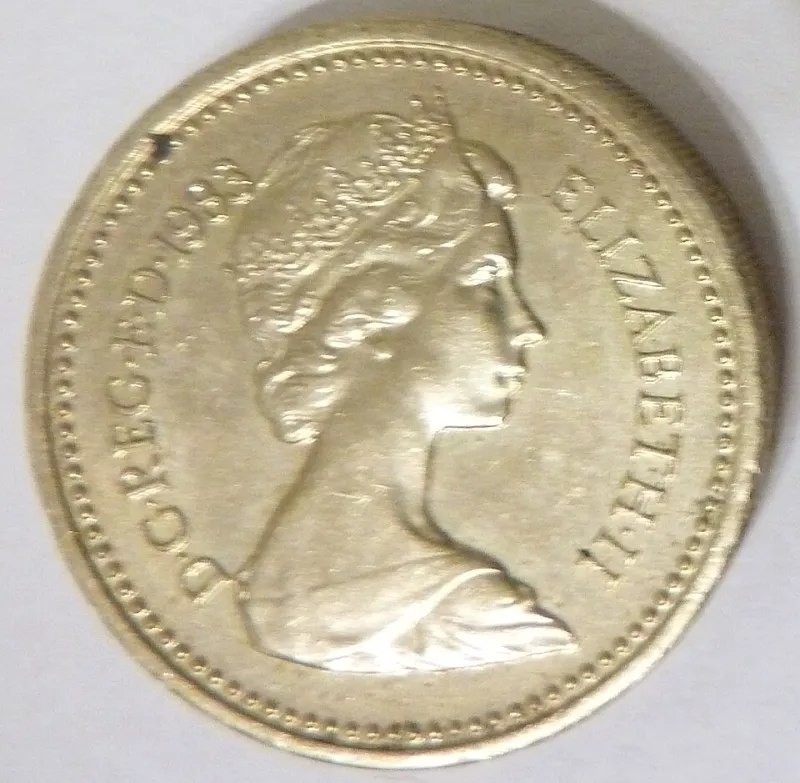
Photo: Abxbay, CC BY-SA 4.0, via Wikimedia Commons
There is a particular comfort in the pound that British savers rarely question. It is the currency of the payslip, the pension statement and the estate agent's particulars — and precisely because it surrounds us, we tend to assume its value is a constant rather than a variable. It is neither. Since the early 1970s, sterling has lost the overwhelming majority of its purchasing power against a broad basket of goods, and against hard assets the erosion is starker still. A pound that bought an ounce of gold in 1971 would now need to be several thousand times larger to do the same.
None of this arrived as drama. There was no single morning when British cash holdings were halved. Instead, depreciation happened the way damp spreads through an old rectory: invisibly, patiently, and with the damage only apparent when someone finally looks behind the wallpaper.
The Arithmetic Nobody Puts on a Statement
Consider what the official figures imply. Even against the Bank of England's own two per cent target, prices roughly double every generation. Against the actual experience of the past thirty years — asset inflation, energy shocks, a housing market that long outpaced the index — the erosion of a purely cash-based balance sheet has been faster. A million pounds held in deposit accounts since the mid-1990s has preserved its number while surrendering well over half of its real substance.
For most households this is an inconvenience. For substantial portfolios it is a strategic failure with a seven-figure price tag. The quiet decline of sterling does not merely erode purchasing power at home; it changes the relative standing of British wealth in the world. A London portfolio invested solely in London assets is, in effect, a single-currency, single-country bet — one placed by default rather than deliberation.
Why the Decline Is Structural, Not Accidental
Sterling's drift is not the product of one government or one crisis. It reflects a persistent current account deficit, a services-heavy economy that imports more than it exports, and a monetary framework that treats moderate inflation as policy rather than failure. None of these features is likely to disappear. Successive chancellors have discovered that a gently falling currency is the path of least political resistance: it flatters exports, inflates nominal asset values and quietly taxes savers who rarely organise to complain.
The 2016 referendum and the 2022 mini-Budget each delivered sharp reminders that sterling can move violently as well as slowly. But the violent episodes are, in truth, the less important story. It is the compounding of small annual losses — two per cent here, three per cent there, decade after decade — that does the genuine damage. A currency does not need to collapse to impoverish; it merely needs to be managed.
How the Wealthy Actually Respond
Talk to private bankers, family offices and the more thoughtful wealth managers, and a pattern emerges among those who have thought hardest about currency risk. It rarely involves dramatic bets or speculative positions. It looks more like housekeeping.
Multi-currency accounts as standard kit. Holding dollars, euros and Swiss francs alongside sterling is no longer exotic. For families with overseas property, children educated abroad or income in more than one jurisdiction, a multi-currency structure is simply operational hygiene — and it converts a theoretical hedge into a practical one.
Overseas assets with a purpose. Global equities, international property and non-sterling bonds each carry a currency dimension. The point is not to abandon Britain — whose listed companies, it should be said, often earn the majority of their revenue abroad — but to ensure that the currency of one's liabilities and the currency of one's assets are not locked in a slow divorce.
Hard money as ballast. Gold, and to a lesser degree platinum, occupy a peculiar position: they are nobody's liability, subject to no chancellor's discretion and no central bank's target. A modest allocation of precious metals, properly stored and properly documented, has historically behaved less like an investment and more like insurance against the compounding errors of monetary authorities.
Liabilities in the same currency as life. Perhaps the most overlooked principle: match your borrowings to your income and your spending. Sterling debt against sterling income is prudent; sterling debt against an overseas future is a quiet exposure.
What First-Class Protection Actually Looks Like
The phrase 'currency hedging' conjures images of traders and forwards and basis points. For private clients, genuine protection is less technical and more architectural. It means a balance sheet deliberately built so that no single currency, no single country and no single central bank holds a casting vote over your standard of living.
It also means candour about costs. Multi-currency structures carry fees; overseas assets carry tax complexity that demands proper advice before, not after, the fact; precious metals carry storage and spread costs that deserve scrutiny. A hedging strategy that quietly leaks two per cent a year in charges has merely changed the direction of the leak.
The starting point, as ever, is measurement. Few British savers could state, with any precision, how much of their wealth is effectively sterling-denominated — including the currency exposure buried inside pension funds, property and insurance products. Until that audit is done, every conversation about protection is guesswork.
The Choice You Are Already Making
The uncomfortable truth about sterling's decline is that neutrality is not on offer. Holding one hundred per cent of your wealth in your home currency is a position — the most popular one in Britain, and historically among the most expensive. The question is never whether to take a view on the pound; it is whether that view will be deliberate or inherited.
Sterling will survive. It has form. But the families whose wealth endures across generations tend to share one habit: they refuse to let any single institution, government or currency write the whole story. In a world of managed money, diversification of currency is not a flourish on the portfolio. It is the foundation beneath it.