Silence Has a Price Tag: Auditing the True Cost of Staying Invisible
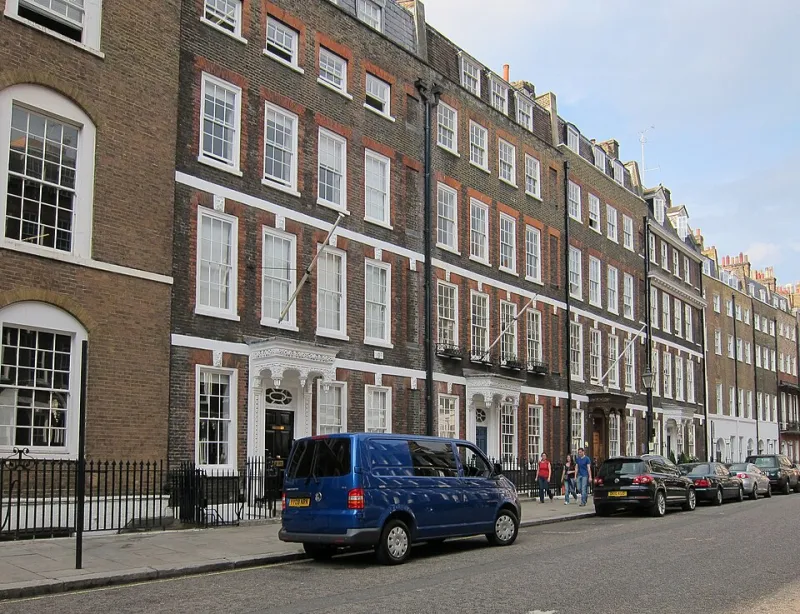
Photo: Alan Stanton, CC BY-SA 2.0, via Wikimedia Commons
There is a particular kind of silence that hangs over certain transactions in British wealth. The Belgravia house that changes hands without ever appearing on Rightmove. The stake in a private company transferred between trust structures with barely a filing. The art that moves between freeports under insurance valuations nobody outside a small circle has seen.
Discretion, in these circles, is treated as a virtue — and often it is. But virtue has an invoice, and too few clients ever ask to see it.
The Anatomy of the Off-Market Discount
Consider the unlisted property sale. Selling quietly avoids the stampede of a public listing, keeps neighbours and journalists guessing, and preserves negotiating leverage. It also shrinks your buyer pool dramatically. Estate agents who handle discreet mandates — and there is a genuine cadre of them in Prime Central London, from the Grosvenor estates' preferred brokers to the quiet fixers of Kensington Church Street — will tell you the same thing: an off-market sale typically trades at somewhere between five and fifteen per cent below what an open marketing campaign might achieve.
Sometimes that discount is worth paying. A public listing can itself damage value, particularly for unusual properties where months on the market signals distress. But all too often, the discount is paid not for privacy but for impatience — or for a vague discomfort with exposure that was never quantified.
When Silence Saves Money
There are circumstances where discretion is unambiguously the cheaper option. Family business succession handled through structured share transfers rather than public market exits can preserve decades of goodwill. Philanthropic giving conducted without press releases avoids the accusations of vanity that sometimes attach to publicised donations. And for families with genuine security concerns — kidnap risk, extortion, targeted fraud — opacity is not a luxury but a necessity.
The seasoned intermediaries who run these quiet deals tend to share a test: does the privacy serve a purpose, or merely a preference? Purpose-driven discretion — security, competitive advantage in negotiations, protecting family members from unwanted attention — usually pays for itself. Preference-driven discretion, the simple desire not to be seen, is where the silent costs accumulate.
The Compounding Cost of Not Knowing What Things Are Worth
The subtler danger of a shadow portfolio is informational. Assets that never trade publicly never get marked to market. Families who own the same unlisted holdings for twenty years often carry wildly outdated valuations — sometimes overstated, sometimes understated — which distorts everything from estate planning to insurance cover to the confidence with which they can borrow against those assets.
We have seen clients discover, mid-negotiation, that a collection they believed was worth £4 million commands perhaps £2.5 million in the current market. The gap was invisible because nothing had ever forced a valuation. Anonymity had not protected the wealth; it had simply postponed the reckoning.
A Practical Discipline
None of this argues for transparency for its own sake. It argues for a periodic audit of what discretion is costing:
- Quantify the discount. Before any off-market transaction, obtain a credible view of open-market value. Decide consciously whether privacy is worth the gap.
- Revalue the invisible. Unlisted holdings, collectables and private company stakes should be professionally valued on a cycle — every two to three years at minimum.
- Separate security from vanity. Where opacity protects people, keep it. Where it merely protects ego, price it honestly.
- Mind the borrowing consequences. Lenders will not lend confidently against assets nobody can verify or value.
The Verdict
Privacy is a genuine asset in the modern wealth landscape — scarce, valuable and increasingly hard to maintain. But like any asset, it should be held deliberately, not by default. The most sophisticated families we observe treat discretion as a line item with a cost, reviewed as rigorously as any fee schedule.
Silence, properly deployed, protects. Silence deployed carelessly simply burns value in the dark — and nobody hears it happen.