The Fifteen-Year Head Start: Why Britain's Families Are Writing Their Inheritance Plans in Their Fifties, Not Their Seventies
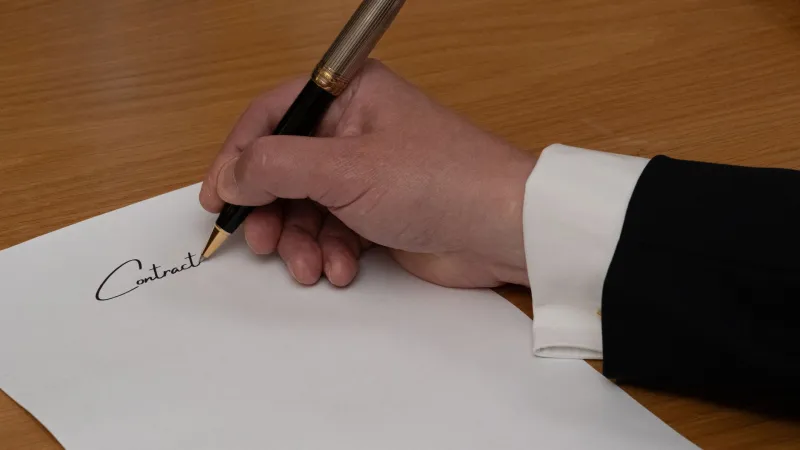
There is a moment, usually somewhere in the middle of a Sunday lunch, when a conversation that has been deferred for a decade finally happens. The family business, the house in the Home Counties, the accumulated weight of a working life — all of it needs an owner, eventually. For generations, the British answer to that question was simple: write a will, file it away, and let the executors sort it out.
That answer is quietly falling out of fashion. A growing number of families are now addressing succession in their fifties, sometimes earlier, and the reason has less to do with sentiment than with arithmetic.
The Frozen Threshold Problem
The inheritance tax nil-rate band has stood at £325,000 since April 2009. The residence nil-rate band, introduced in 2017 at £175,000, has not moved either. At the time of the 2022 fiscal statement, both were frozen until at least 2028 — and in practice, few observers expect a thaw any time soon.
The effect of a frozen threshold is cumulative and deceptive. Each year that property prices and investment values drift upward while the allowance stands still, more households are pulled into scope. HMRC's own receipts tell the story: inheritance tax revenue has climbed steadily into the billions annually, drawing in families who would not have described themselves as wealthy a decade ago.
What was once a tax on the very rich has become, in effect, a slow-motion levy on the comfortable middle — and on anyone holding appreciating assets in the South East especially.
Why Trusts Have Moved Up the Timeline
A trust is not a magic instrument. It is a legal structure in which assets are held by trustees for the benefit of named beneficiaries, and its principal use in estate planning is straightforward: assets settled into a trust more than seven years before the settlor's death generally fall outside the taxable estate.
That seven-year clock is precisely why the fifties have become the new decade of decision. Leave it until a health scare in your mid-seventies, and the gift may still sit within the chargeable window. Start at fifty-five, and you have the full runway — with room to spare for the unexpected.
There is a second, less advertised benefit. A lifetime transfer allows the family to have the conversation while everyone is alive to have it. Succession disputes in the Probate Registry are rising; disputes resolved over a kitchen table in 2025 tend to cost rather less than those resolved by solicitors in 2045.
The Practical Mechanics
The most common structures are the bare trust, the discretionary trust and the lifetime gift trust, each with distinct trade-offs:
- Bare trusts are simple and transparent, but the beneficiary gains absolute entitlement at eighteen — a prospect some grandparents view with mild alarm.
- Discretionary trusts keep control with the trustees, who decide how and when benefits are distributed. Flexibility comes at a price: the trust itself faces periodic charges, and income retained within it is taxed at the trust rates.
- Gift trusts — often used with insurance bonds — allow the capital to be treated as a transfer out of the estate immediately, while the settlor may draw a tax-deferred income for life.
Every route involves the potential for a chargeable lifetime transfer above the available nil-rate band, taxed at 20% on settlement, with a further credit against the estate on death. For a couple with a substantial property and a modest pension pot, the mathematics can still work decisively in the family's favour. For others, the honest advice is that a well-drafted will, prudent gifting within the annual exemptions (£3,000 per year, plus unlimited gifts from surplus income) and a decent record-keeping habit may achieve most of the benefit at a fraction of the complexity.
The Cost of Doing Nothing — or Doing It Late
The mistakes cluster predictably. Families settle assets into trust in haste after a diagnosis, only to discover the fourteen-year look-back for certain transfers and the reservation-of-benefit rules undo the planning. Others appoint trustees without thinking through who will actually do the work in twenty years' time. And a remarkable number pay for a beautifully drafted deed, then never transfer the asset into it — a trust over nothing protects nothing.
Professional costs are real: legal fees for drafting, valuation fees, ongoing accounting and tax filings every ten-year anniversary. A sensible rule of thumb is that if the potential tax saving is less than three times the total cost of establishment and administration over a decade, the structure may not justify itself.
The Quiet Conclusion
None of this is about avoiding a legitimate contribution to the public purse; it is about choosing not to pay twice for the same wealth through inaction. The families who fare best treat succession as a project with a fifteen-year timeline, not a document with a seven-year clock.
The conversation that starts over Sunday lunch at fifty-five is, very often, the cheapest financial advice a family will ever give itself. The alternative — waiting until the threshold finally thaws, or until it is too late to matter — is a gamble with someone else's inheritance.
This article is general information, not personal financial or tax advice. Readers should consult a qualified adviser and solicitor before acting.